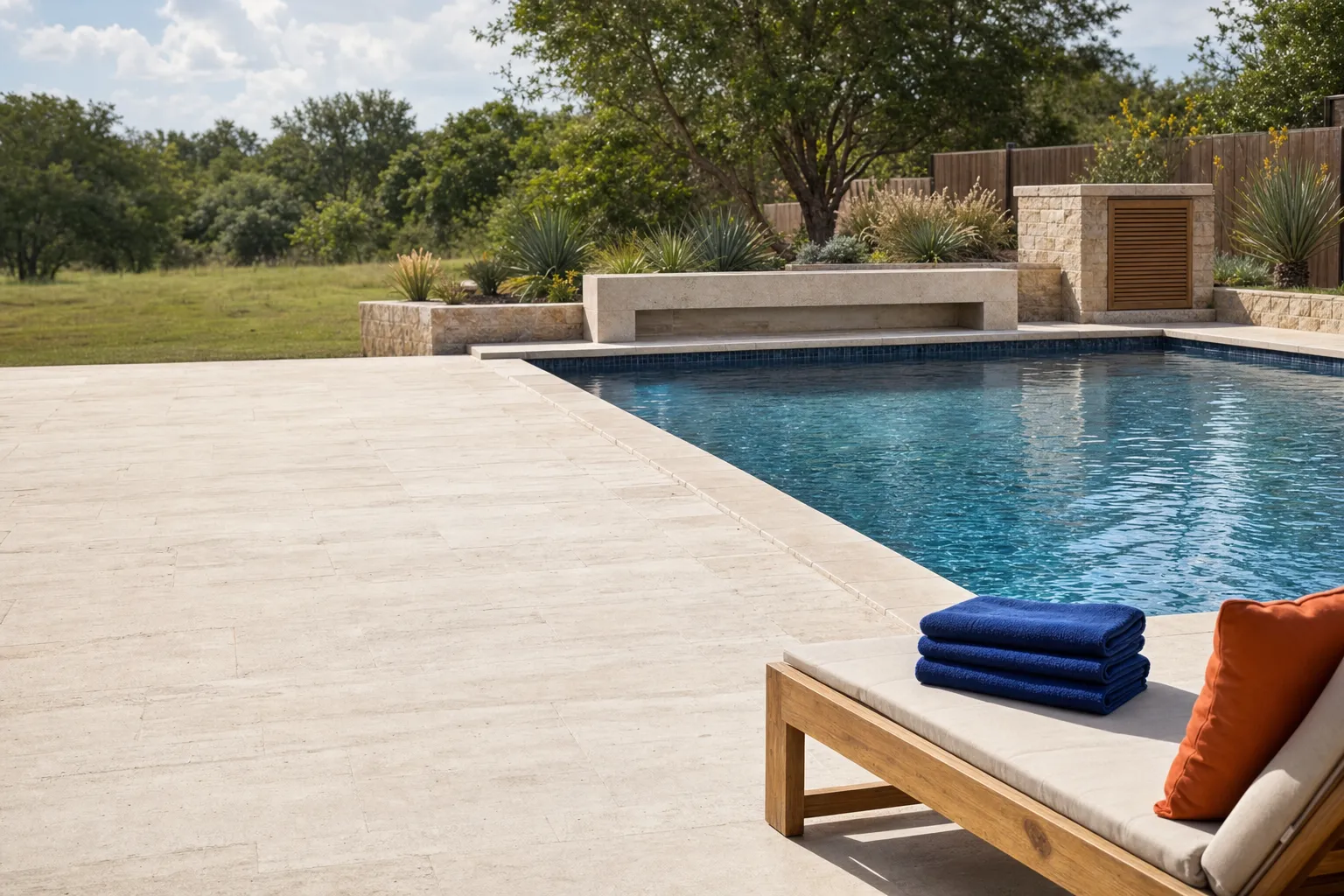
If you are planning a pool renovation in Grapevine, Texas, start by defining what you want the pool to do for your outdoor living, then inspect the existing shell and systems so you can match scope to budget. A clear plan covers scope, materials and finishes, structural issues, permits and a realistic timeline, and those are the areas we focus on when we help homeowners plan renovations.
What a good renovation plan covers
A renovation plan is the roadmap that turns a wish list into a reliable project. At minimum it should include:
- A clear goal, such as resurfacing, updating finishes, improving energy efficiency, or adding a spa or water feature.
- An assessment of the shell and structure to rule out hidden repairs.
- A list of systems to upgrade, such as pumps, filters, heaters and automation.
- Finish choices, coping and tile options that affect lifespan and maintenance.
- Permit and code checks for Grapevine and the surrounding DFW jurisdictions.
When we plan a project for a homeowner in Grapevine or Lewisville, we start with those items and build a scope that matches the homeowner s priorities and the property s constraints.
Signs you need a renovation rather than a repair
Some problems are fixable with spot repairs, but others mean a renovation is more cost effective. Consider renovation when you see one or more of the following:
- Wide areas of plaster or finish deterioration, frequent patching or persistent staining.
- Cracking or shifting in the pool shell, tile delamination or separation at the coping.
- Old, inefficient equipment that needs frequent repairs or cannot support modern controls.
- Outdated layout that no longer fits how you use the yard, such as lack of shallow lounging areas or poor integration with a patio or landscape.
We evaluate whether resurfacing, replastering or a full remodel is the appropriate answer. For more on deciding between surface work and full renovation, see our page on renovation planning.
Step by step planning process
- Define goals. Decide what matters most, such as better finish longevity, improved water quality, lower operating cost, or a new look for outdoor entertaining.
- Inspect the pool. We look for structural issues, steel corrosion, finish failure patterns and equipment condition. This stage often reveals the difference between resurfacing and full shell work.
- Choose finishes and equipment. Finish material, tile, coping and lighting change maintenance and feel. Equipment choices affect energy use and automation capability.
- Get permit and code guidance. Local codes in the Dallas Fort Worth area determine fencing, drains, and electrical requirements. We check Grapevine codes and the county requirements for work that affects safety or electrical systems.
- Budget and schedule. With scope and permits identified, we estimate costs and place the project on a realistic timeline that accounts for curing, inspections and seasonal weather.
- Prepare the site and neighbors. We coordinate staging, deliveries and dust control so the job affects the property as little as possible.
We recommend documenting each step so changes and approvals are straightforward as the job progresses.
Common renovation choices and tradeoffs
Every choice influences durability, maintenance and cost. Here are the most common decisions homeowners face.
Finish materials
Options include traditional plaster, aggregate finishes, and specialized coatings. Aggregate finishes tend to be more durable and stain resistant than basic plaster. For technical reading on finish options and longevity, see our topic on plaster finish types and finish longevity.
Equipment upgrades
Replacing pumps and filters with modern, energy efficient equipment lowers long term operating cost and improves water clarity. Equipment integration and automation also change how the pool is used and maintained; learn more on our equipment integration page.
Layout and features
Adding a shallow tanning shelf, a spa, or a water feature changes construction scope and sometimes plumbing. If the renovation affects decking or landscape, coordinate early with landscape designers and property managers.
Budget drivers to expect
Costs depend on four big variables:
- Scope, from surface-only work to full structural repairs and retiling.
- Finish and material choices, including tile, coping and decking.
- Equipment condition and the decision to upgrade to higher efficiency systems.
- Permits, inspections and any code-related upgrades required by Grapevine or county inspectors.
We provide clear estimates that break these items out so you can see where choices impact price. For more on surface work specifically, review our Pool Resurfacing service page and our Pool Plastering page for details on finishes.
Permits and regulatory considerations
Most renovations in Grapevine require permits when you alter structure, plumbing or electrical systems, and inspections ensure safety elements meet local codes. We check municipal requirements and follow industry standards from organizations such as the Pool and Hot Tub Alliance for recommended practices. When work touches electrical, we coordinate with licensed electricians and follow code to protect users and inspectors.
Local note: permit requirements can vary between Grapevine and other DFW cities. Early permit review avoids delays during construction.
Typical timeline and phases
Timelines vary by scope and season. A small resurfacing can be scheduled and completed in a matter of weeks when permits and weather cooperate. Larger remodels that add features or correct structural issues take longer because of demolition, repairs, curing times for new concrete or plaster, and inspections.
We outline a realistic schedule during planning so you know when the pool will be unavailable and how long curing or settling will affect reopening.
How we evaluate contractors and what to ask
Choosing the right contractor affects cost, schedule and long term outcome. When you interview a contractor, check these items:
- Local experience in the Dallas Fort Worth area and familiarity with Grapevine code.
- Proof of licensing and insurance, and a clear description of who manages subcontractors and inspections.
- Examples of completed projects and references, ideally with photos of similar scope.
- A detailed scope and written estimate that separates materials, labor, and permit costs.
We have worked on projects across Lewisville and the DFW area since 2000, and we apply hands on craftsmanship and project management to every renovation.
Practical checklist before you start
Before construction begins
- Document desired goals and must have features.
- Schedule a site visit and a written inspection report.
- Confirm permit responsibilities and expected inspection milestones.
- Review staging, access and neighbor communication plans.
- Agree on payment schedule and change order procedures.
Pro tip: If finish longevity matters, prioritize aggregate finishes and schedule equipment upgrades at the same time to minimize disruption and coordinate warranties.
Watch out: Low initial bids that lack a clear scope or skip structural inspections often lead to costly change orders later. Insist on a written scope that includes how hidden issues will be handled.
Key takeaway
Start with clear goals, get a professional inspection, and build a plan that balances finish choices, equipment upgrades and permit requirements. That approach reduces surprises and leads to a durable, enjoyable renovation.
Frequently asked questions
How long does a typical pool renovation take?
Timelines depend on scope. Surface work like resurfacing usually moves faster than full remodels. A resurfacing project can often be planned and completed in a few weeks, while a remodel that includes structural repairs, new features or major equipment upgrades may take several weeks to a few months. We provide a schedule specific to each project during the planning stage.
Will I need permits for my pool renovation in Grapevine?
Most projects that change plumbing, electrical, structural elements, fencing or decking will require permits and inspections. Permit rules vary by jurisdiction in the DFW area, so we review local requirements as part of our planning process and include permit coordination in the project scope.
What finish lasts longest and requires the least maintenance?
Aggregate finishes generally offer greater stain resistance and longer service life than plain plaster, though cost is higher. Finish longevity also depends on water chemistry, equipment performance and how the pool is used. See our topics on plaster durability and finish longevity for deeper details.
How do I know if the shell has structural problems?
Visible cracking, movement at tile or coping, and repeated plaster failure can indicate deeper issues. A professional inspection will look for steel corrosion, settlement and other structural concerns and recommend whether repairs are necessary before finishing work.
What questions should I ask a contractor before hiring them?
Ask about licensing and insurance, local experience, a detailed written scope with line item estimates, how they handle unforeseen issues, and references from similar projects. Confirm who will manage permits and inspections, and review the projected schedule and payment milestones.
Learn more and view our local work
Read reviews and directions on our Google Business Profile, and see related resources on our site about renovation planning, our Pool Renovation service page, and projects around Lewisville on our Petri Pools home page.